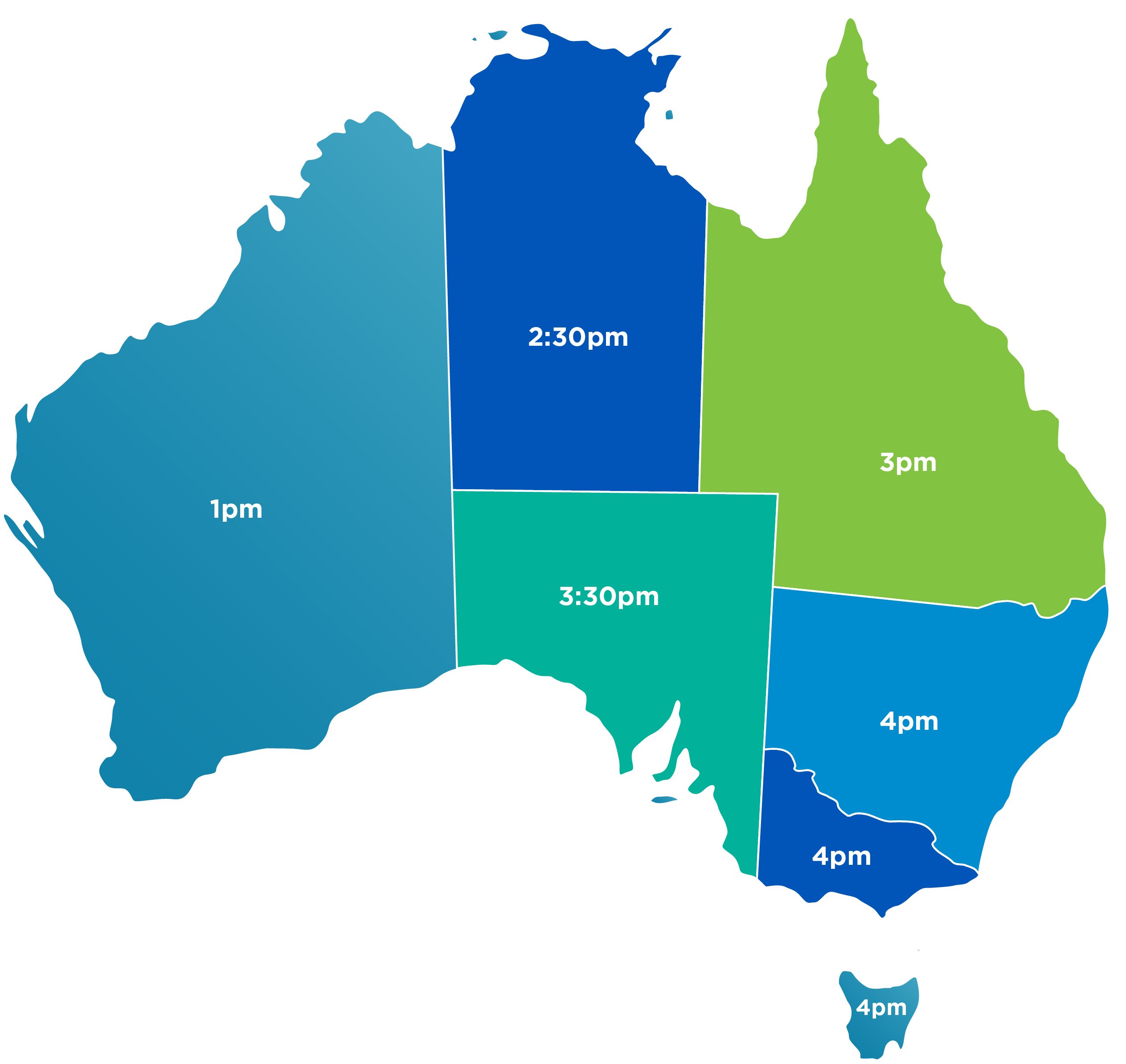
Daylight saving means many Australians get more sunshine when they’re free, whether that’s for an evening walk, dinner outside, or a swim after work. The only downside is that your alarm still expects you to get up on time.
Why shift the clocks?
Daylight saving moves the clocks forward, so an hour of daylight shifts from morning to evening. It doesn’t actually create more sunshine. Australia first used daylight saving across the country in 1917 to save fuel and lighting during wartime. These days, people mostly like it because it gives them more time outdoors after work.
For working couples and young professionals, this means more time to exercise or meet up with friends. Early retirees enjoy brighter evenings for gardening or socialising. Businesses in hospitality and recreation also benefit when people spend more time out and about.
Why the disagreement?
Some farmers don’t like changing the clocks because their animals and farm routines follow the sun, not office hours. People in hotter areas also dislike moving activities into the warmer parts of the day. Others simply don’t like the disrupted sleep or darker mornings.
Australia doesn’t have a single rule for daylight saving because each state and territory decides for itself. Choices depend on climate, lifestyle, and what voters want. For example, people in Queensland and Western Australia have voted against daylight saving in referendums.
Who changes?
NSW, Victoria, South Australia, Tasmania, the ACT, and Norfolk Island use daylight saving from the first Sunday in October to the first Sunday in April. Queensland, WA, and the Northern Territory do not, and neither do Christmas Island or the Cocos (Keeling) Islands. Lord Howe Island only changes by 30 minutes.
Before you make your next interstate call, check the local time. Sunshine is great, but calling someone before breakfast probably isn’t.