In 2026, healthcare in Australia is more advanced than ever — but for many people, it can also feel more complex. Between booking GP appointments, managing specialist referrals, navigating Medicare and private health insurance, and coordinating care for children or ageing parents, it’s easy to feel overwhelmed.
Understanding the Modern Healthcare Journey
Today’s healthcare system offers incredible technology, specialised treatments and digital services. Telehealth appointments, online scripts and electronic health records have improved access. Yet the challenge remains: services are often spread across multiple locations, providers and systems. For families juggling work and school, or older Australians managing chronic conditions, fragmented care can mean repeated paperwork, travel stress and delays in treatment.
That’s where the centralised Health Hub model is reshaping patient experience.
The Rise of Centralised Health Hubs
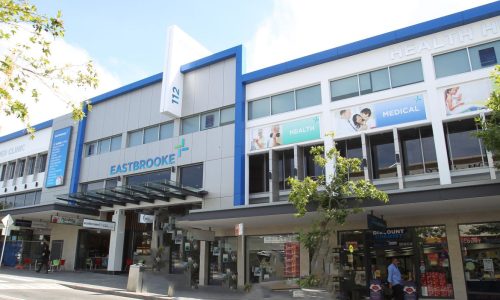
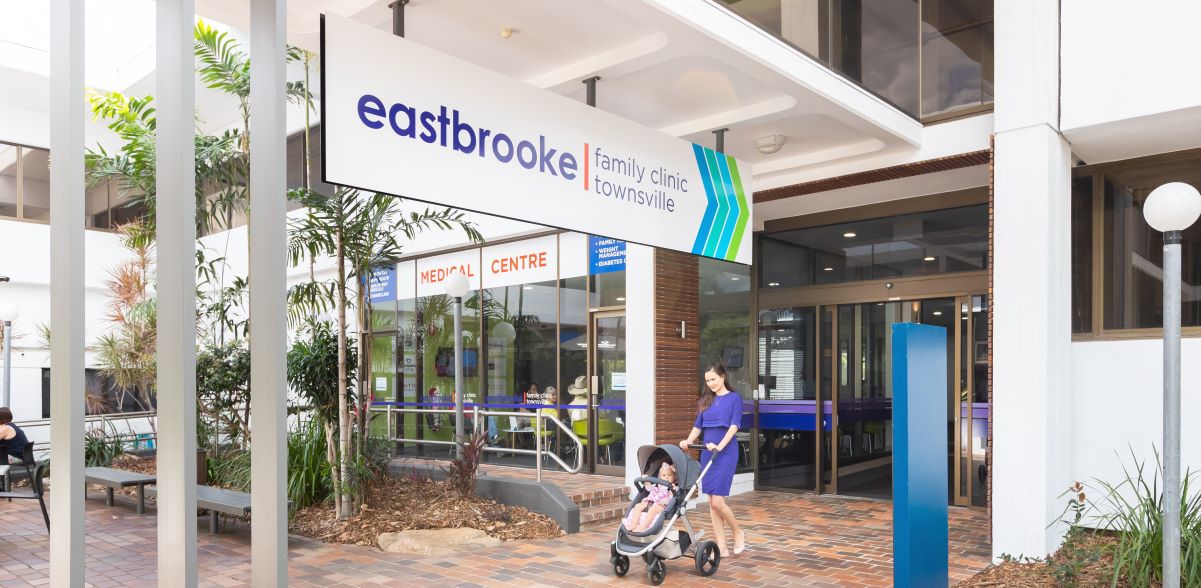
Across Australia, integrated healthcare precincts are bringing GPs, allied health professionals, pathology, imaging, mental health services and sometimes even community services together under one roof. This coordinated approach reduces the need to travel between multiple sites and improves communication between healthcare providers.
When professionals work side by side, collaboration becomes easier. For example, a GP can quickly consult with a physiotherapist or psychologist to obtain more context. Healthcare teams can access test results promptly, and a cohesive environment can make patient care plans more individually tailored. The result? Faster diagnoses, clearer treatment pathways and fewer gaps in care.
Better Outcomes, Closer to Home
Centralised Health Hubs also play a vital role in keeping healthcare talent local. By creating purpose-built, well-equipped environments, these hubs attract and retain skilled doctors, nurses and allied health professionals within regional and suburban communities. Patients benefit from continuity of care — seeing familiar faces who understand local health needs and community dynamics.
For families, it means convenience and confidence. For ageing Australians, it means coordinated support for complex or chronic conditions. And for young adults, it offers accessible preventive care and mental health support without long wait times or travel burdens.
In 2026, navigating healthcare doesn’t have to mean navigating it alone. Centralised Health Hubs are helping Australians access smarter, more connected care — improving outcomes while strengthening the communities they serve.
Find out more about Health & Community Hub leasing.
For a confidential discussion about leasing opportunities or upcoming Hub locations, please contact Chris de Picot on 0408 021 487 or contact us.