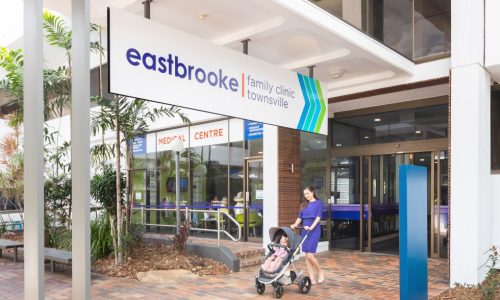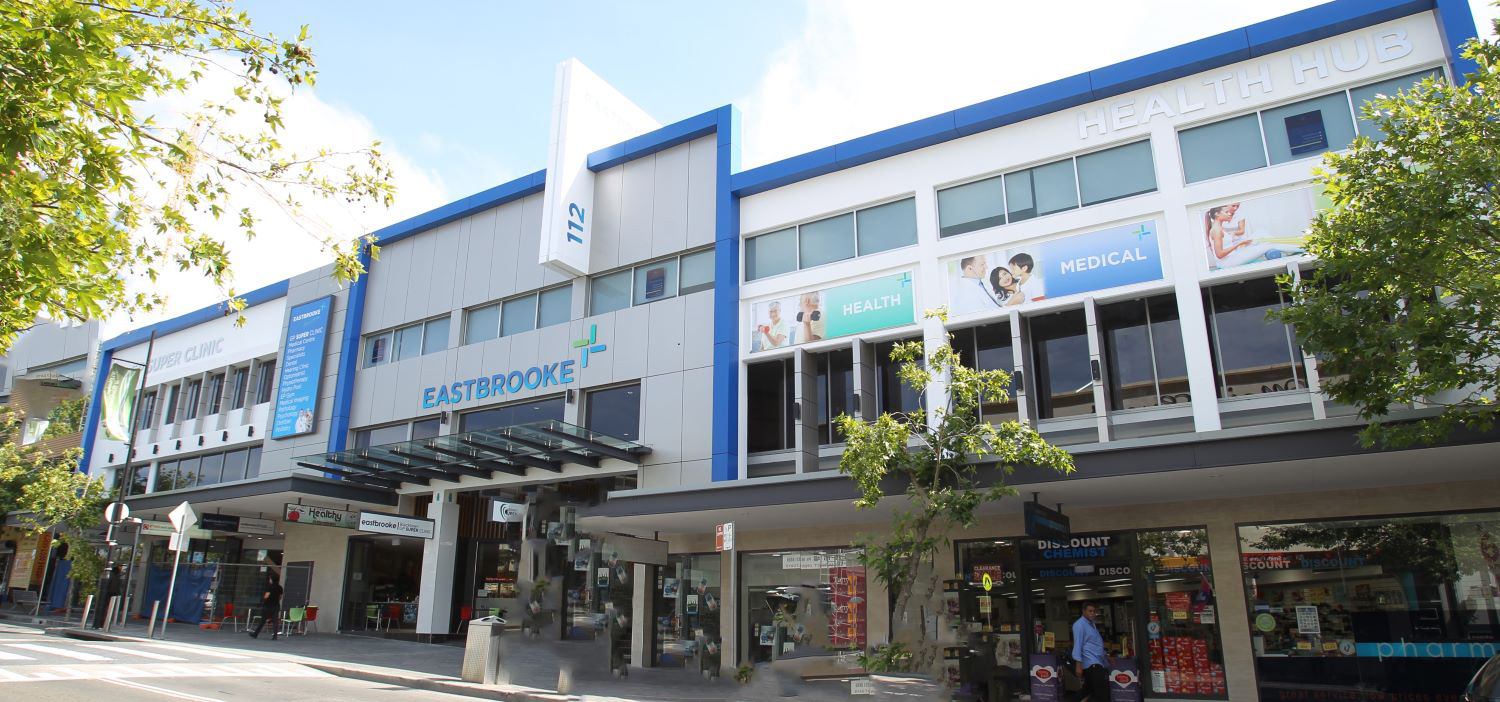
As Australia’s healthcare system faces rising demand, workforce pressures and increasingly complex patient needs, centralised Health Hubs are emerging as a practical, future-focused solution. Thoughtfully designed Health Hubs bring multiple services together in one location, delivering benefits not only for patients, but also for healthcare professionals, operators and the communities they serve.
For commercial property owners, government planners and healthcare providers, the opportunity lies in creating places that are efficient, collaborative and genuinely patient-centred.
Convenience That Improves Access to Care
Convenience is one of the most powerful drivers of better health outcomes. Centralised Health Hubs reduce the need for patients to travel between multiple sites for appointments, diagnostics and allied health services. When GPs, specialists, pathology, imaging, pharmacy and support services are co-located, patients experience fewer barriers to accessing care.
For families, older Australians and those managing chronic conditions, this convenience can be the difference between delayed treatment and proactive, preventative healthcare.
Collaboration Between Healthcare Professionals
Health Hubs are designed to break down silos. By bringing healthcare professionals together in person, they encourage real-time collaboration, informal case discussions, and faster referrals.
Clinicians benefit from being part of a connected ecosystem where expertise is readily available, while patients benefit from more coordinated and holistic care. This collaborative environment supports continuity of care, reduces duplication and improves clinical decision-making.
Shared Learning and Workforce Development
Beyond patient care, Health Hubs play a critical role in supporting the healthcare workforce. Shared spaces enable mentoring, peer learning and interdisciplinary training, which are increasingly important in addressing workforce shortages and burnout.
For education providers and health operators, hubs can also support teaching clinics, student placements, and professional development programs, strengthening local capability and future-proofing healthcare delivery.
Better Patient Outcomes and Community Impact
Ultimately, well-planned Health Hubs lead to better patient outcomes. Integrated services support earlier intervention, smoother care pathways and improved long-term management of health conditions.
From a commercial property perspective, Health Hubs also create resilient, purpose-driven assets with relatively stable tenancy, long-term demand and strong alignment with government and community priorities.
Find out more about Eastbrooke Development Projects.
To discuss new commercial property development opportunities, including potential new Hub locations, contact Simon de Picot on 0422 932 298 or contact us.